Flatbed towing matters because it changes how the vehicle is supported. Instead of rolling during the tow, the vehicle is fully loaded onto the bed. That can be the better choice for low-clearance cars, all-wheel-drive vehicles, damaged vehicles, and situations where a standard pull-style setup may add risk.
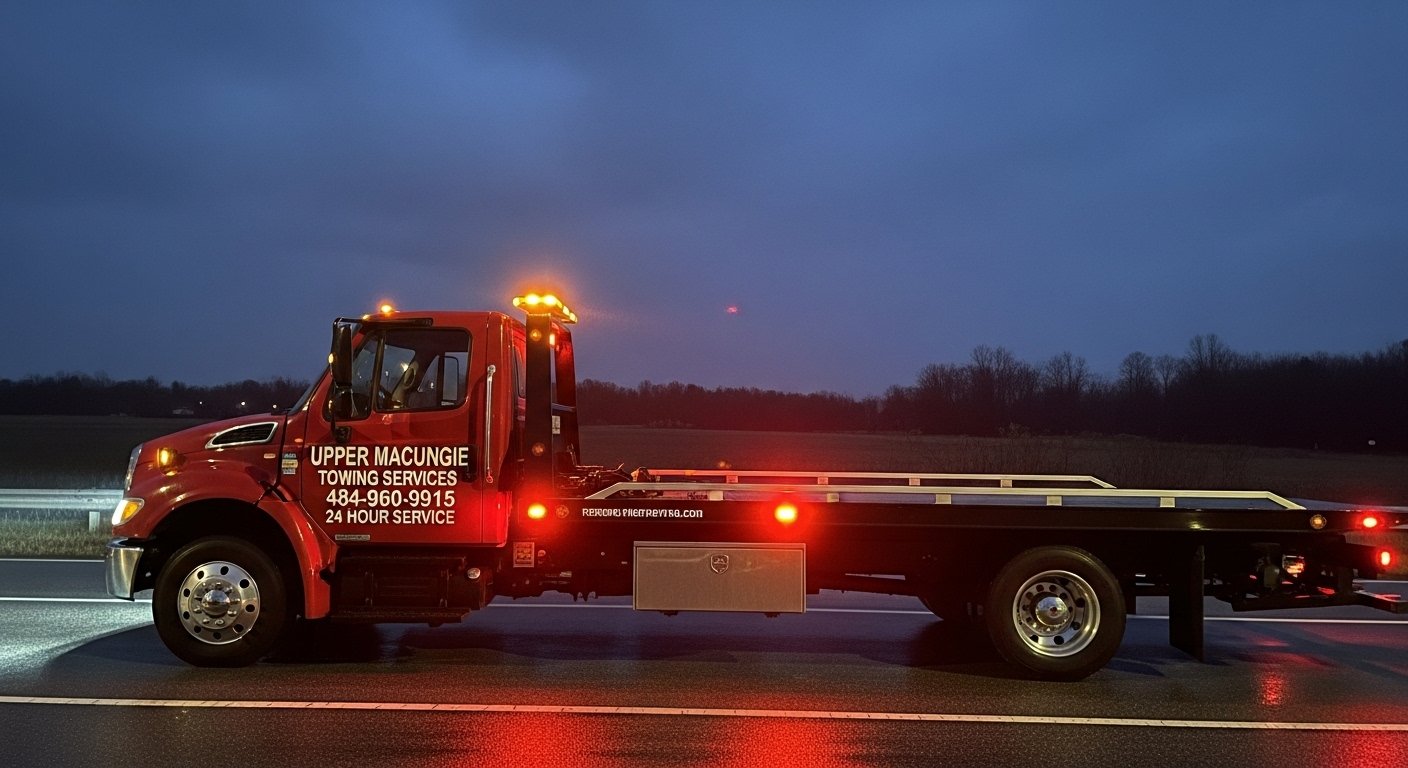
Flatbed towing matters because it changes how the vehicle is supported. Instead of rolling during the tow, the vehicle is fully loaded onto the bed. That can be the better choice for low-clearance cars, all-wheel-drive vehicles, damaged vehicles, and situations where a standard pull-style setup may add risk.
Flatbed towing matters because it changes how the vehicle is supported. Instead of rolling during the tow, the vehicle is fully loaded onto the bed. That can be the better choice for low-clearance cars, all-wheel-drive vehicles, damaged vehicles, and situations where a standard pull-style setup may add risk.
After a collision, damage is not always limited to the visible body panels. A wheel may be bent, suspension geometry may be off, and steering parts may be compromised even if the vehicle still appears movable. Flatbed towing helps avoid asking a damaged vehicle to do more than it should during transport.
Distance adds stress to the decision. A very short local tow may have one set of considerations, but a longer trip to another city or to a specialty shop changes the equation. The farther the destination, the more some drivers want the stability of full vehicle support during the tow.
A lowered vehicle, performance car, or specialty vehicle is not a good candidate for a casual loading decision. These vehicles often have approach angle concerns, bodywork that can be damaged during careless loading, or design features that make standard towing less attractive. Flatbed transport is often the safer answer because it treats the vehicle as something to protect, not just something to move.
A breakdown may begin with a broad towing call and only later reveal why a flatbed is the better fit. For example, a car that overheated might also have front-end damage from a previous incident. A flat tire call might uncover wheel damage. A stalled car might be all-wheel drive and better suited for flatbed handling. That is why clear details at dispatch matter.
Drivers sometimes frame the decision as a simple price comparison between one towing method and another. In reality, the more important question is what choice reduces the chance of avoidable damage. Spending less on the wrong transport method is not a win if it creates a second problem during the tow.
Strong flatbed service pages tell you when the service makes sense and why. They do not just repeat the phrase over and over. They explain vehicle fit, condition concerns, and how transport choices affect the outcome. That is why this article links directly back to the flatbed towing and long-distance towing pages on the site.
If the vehicle is damaged, low to the ground, all-wheel drive, or heading on a longer trip, flatbed towing is worth considering first. The right question is not only how fast the car can move. It is how safely the car can be moved without adding new damage along the way.
No. It is meant to help you make a better decision, not delay a call when the vehicle is unsafe or stranded.
Use the towing, 24 hour towing, roadside assistance, accident recovery, flatbed towing, and highway service pages linked throughout the site based on the issue you are dealing with.
Yes. The guidance is written around the kinds of breakdown and towing situations drivers face in Upper Macungie and the wider Lehigh Valley.
Use these pages to move straight to the kind of help that matches your situation.
Tell dispatch your location, vehicle type, and what happened. We will route the right truck for towing or roadside assistance in Upper Macungie and nearby Lehigh Valley communities.